01 — PRODUCT & SALES
Products and sales
I operate the business across costs, products, sales, and customer touchpoints, covering women’s apparel, accessories, and PsLing products.
Case Study — PSNY
I began by selling PsLing online, then operated a New York store under the PSNY brand. Today I run PSNY’s multilingual online store.
Business Overview
My online retail experience began with PsLing sales in 2001. PSNY is the public English name of the sole proprietorship I have operated since 2014, selling women’s apparel, accessories, and PsLing products.
Operating Model
Products, sales, customer touchpoints, site operations, and improvement are handled as a continuous business process.
01 — PRODUCT & SALES
I operate the business across costs, products, sales, and customer touchpoints, covering women’s apparel, accessories, and PsLing products.
02 — MULTILINGUAL COMMERCE
I built and operate a multilingual Shopify site and conduct international sales through e-commerce.
03 — CONTINUOUS IMPROVEMENT
I continue to manage information architecture, updates, and operations, using AI agents to support site improvement, code generation, and data processing.
PSNY ONLINESTORE
Through my own Shopify store, I build and operate an environment where overseas customers can choose their language and currency before purchasing. This work brings together translation, selection flows, payment, and selling prices that incorporate country-specific shipping costs.
By selecting Singapore as the delivery destination and Japanese as the language, a customer can browse products in Japanese and purchase in Singapore dollars. Selecting the country or region separately from the language accommodates needs that a customer’s place of residence alone cannot capture.
Designing multilingual commerce calls for more than adding translation features or currencies. It is important to analyze which customer groups in which countries or regions to prioritize, then decide how far to develop language support, currencies, product information, shipping, and customer inquiries. The example of a Japanese customer living in Singapore illustrates how language and purchasing behavior, as well as country, inform that design.
The store makes a browser-based selection and opens a selector on the first visit. After that, a band in the header provides access to language and currency settings.
The store supports both price display and payment in the respective currencies. Rather than using automatic conversion linked to exchange-rate fluctuations, it uses fixed prices incorporating country-specific shipping costs, with shipping shown as free.
Language support and pricing for the sales destinations are designed together.
I use AI for configuration and implementation on my own store. Multilingual and multi-currency support forms part of the ongoing work of selling products and operating the website.
Multi-platform Operations
I use AI across centralized inventory management, the creation of product descriptions and images tailored to different languages and markets, and deployment across Shopify and other sales platforms.
AI agents carry out the practical work. As the owner, I periodically review progress and results, set direction, and instruct revisions.
AI-assisted stock management across sales platforms
Product descriptions and images tailored to languages and markets
AI-assisted deployment to Shopify and other platforms
AI Agent Workflow
AI AGENT
Carry out tasks, then apply revisions and updates.
OWNER
Set direction, check progress and results periodically, and request revisions.
Portfolio Perspective
Rather than separating product sales from website operations, I treat customer touchpoints and continuous improvement as parts of one business system. This operator’s perspective also informs my current work in web production and project delivery.
Live Projects
Explore the live brand presentation, information architecture, and multilingual commerce implementation.
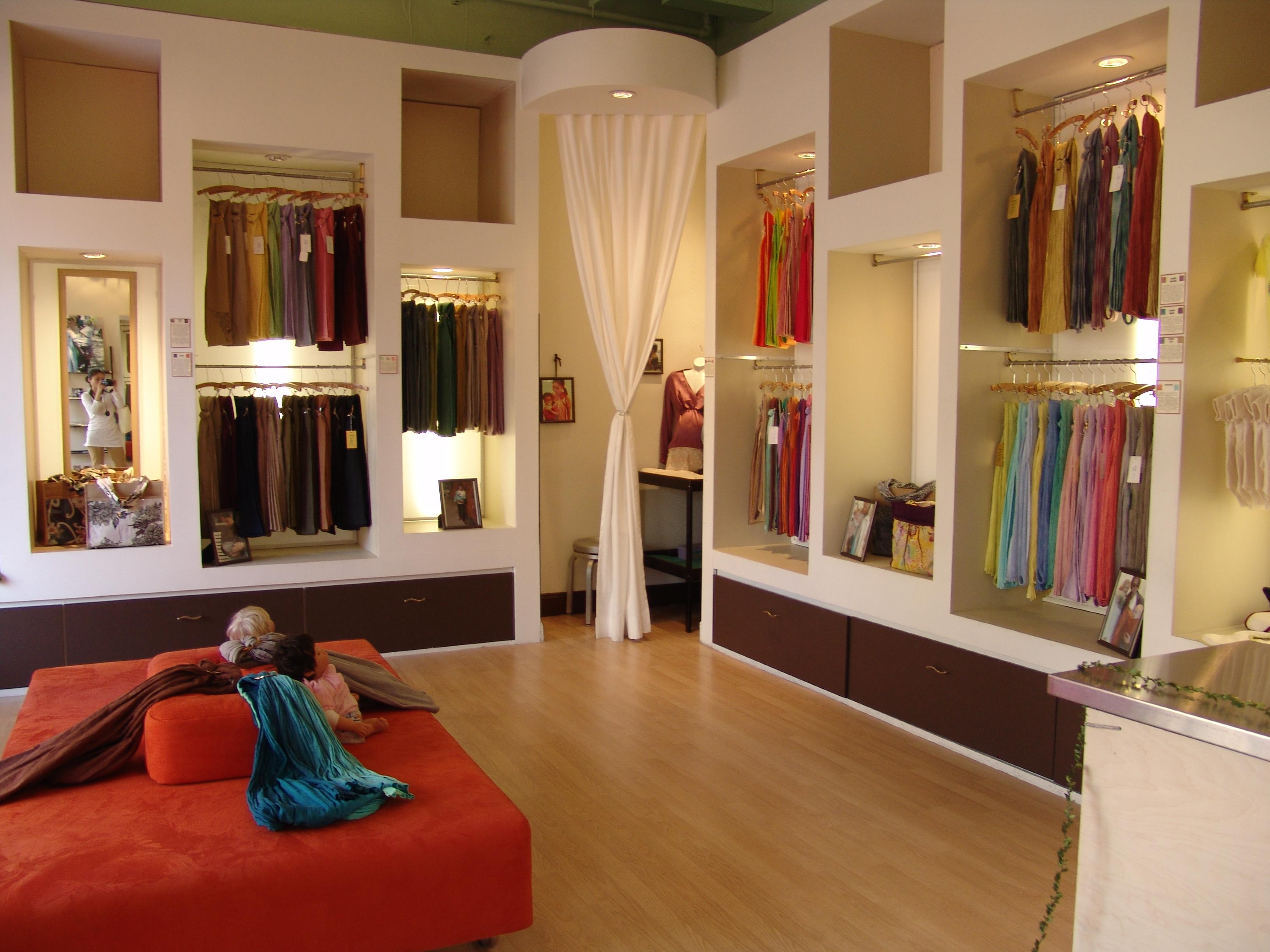
Business Overview
Beginning with online sales of PsLing, I established a company and operated product, sales, organization, retail, and international expansion as one business.
History
The business progressed from online sales to incorporation and New York expansion, and continues today through PSNY.
I began selling PsLing products online.
The predecessor company was established and the PsLing business expanded.
The parent company became Psling Japan Inc., and Psling New York Corp. was established.
I managed the subsidiary and the store, which operated under the PSNY brand as part of an apparel business of approximately 30 people across Japan and the United States.
The directly operated store closed, concluding the business structure operated through Psling Japan and its New York subsidiary. PsLing sales continue today through my sole proprietorship, PSNY.
PsLing products continue to be sold online through my sole proprietorship, PSNY.
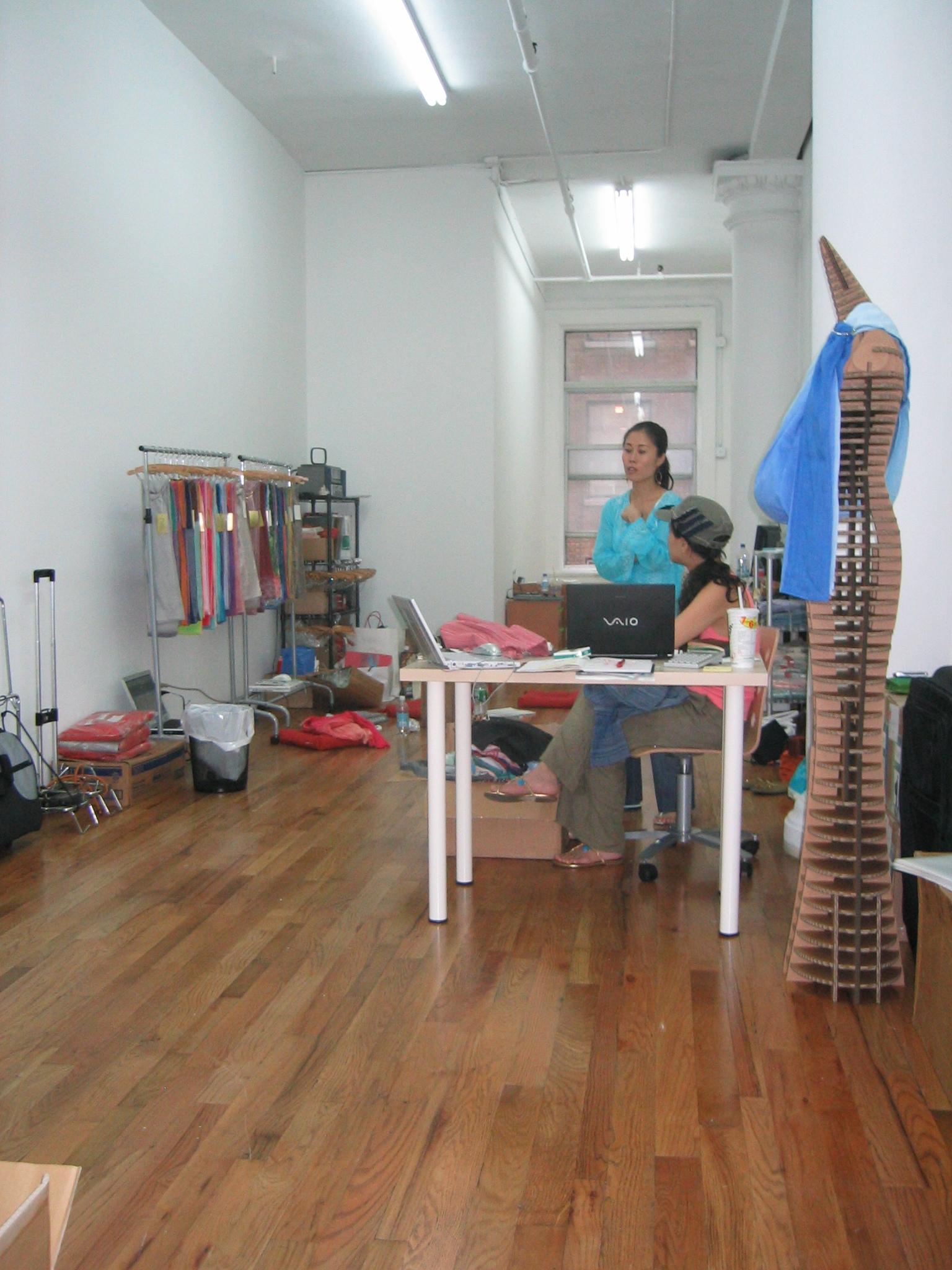
Operations
My work covered daily operations across product, sales, organization, retail, and international business.
01 — PRODUCT & BRAND
Product and brand planning, brand operations, and online sales for PsLing.
02 — ORGANIZATION & RETAIL
Business operations across Japan and the United States, including the directly operated New York store.
03 — INTERNATIONAL BUSINESS
Managing the business across Japan and New York and operating an overseas sales structure.
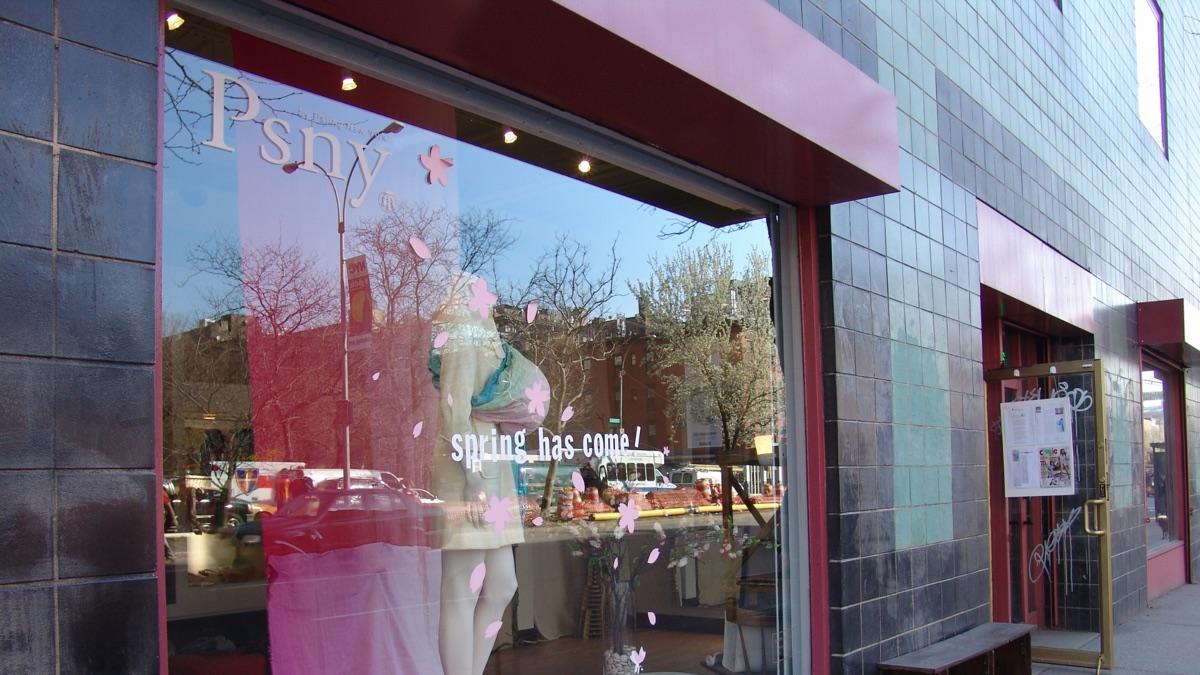
New York
Psling New York Corp. was established in 2005, and its directly operated store opened in September of that year. Operating a physical store that sold products and served customers became a foundation for my later e-commerce and brand operations.
The perspective of managing products, sales, customer service, and organization—not only a website—continues to inform my current work.
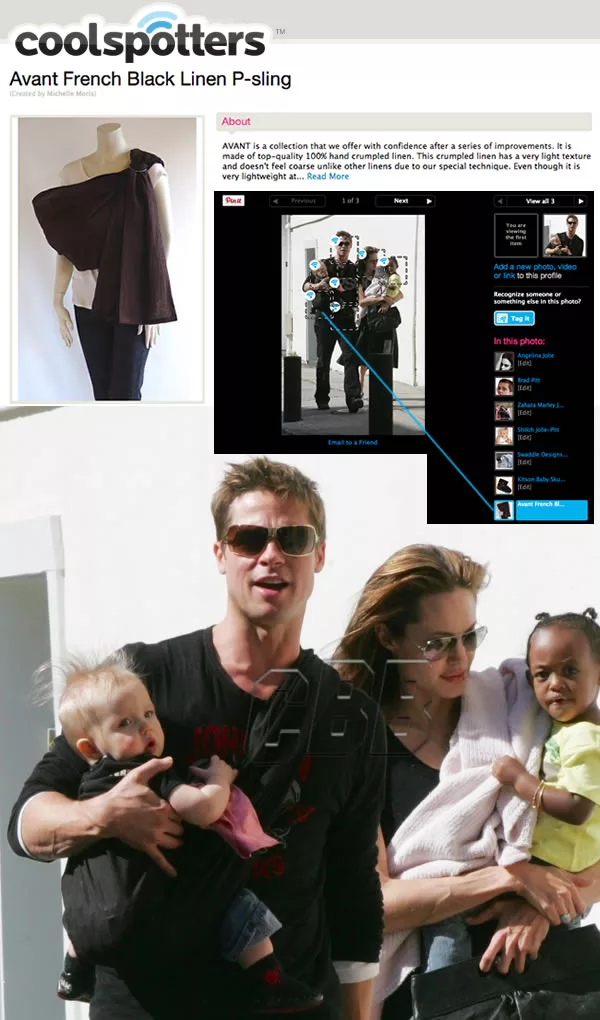
Coolspotters
On the product discovery site Coolspotters, a photograph of Brad Pitt was tagged with PsLing’s “Avant French Black Linen P-sling”.